Full home renovations · Citrus County
Full home renovations and remodeling in Citrus County, planned as one scope.
From two rooms to the whole house, iFIXED plans floors, walls, cabinets, doors, trim, kitchens, and baths as one written sequence. You get one itemized scope and one crew that knows how every room meets the next.
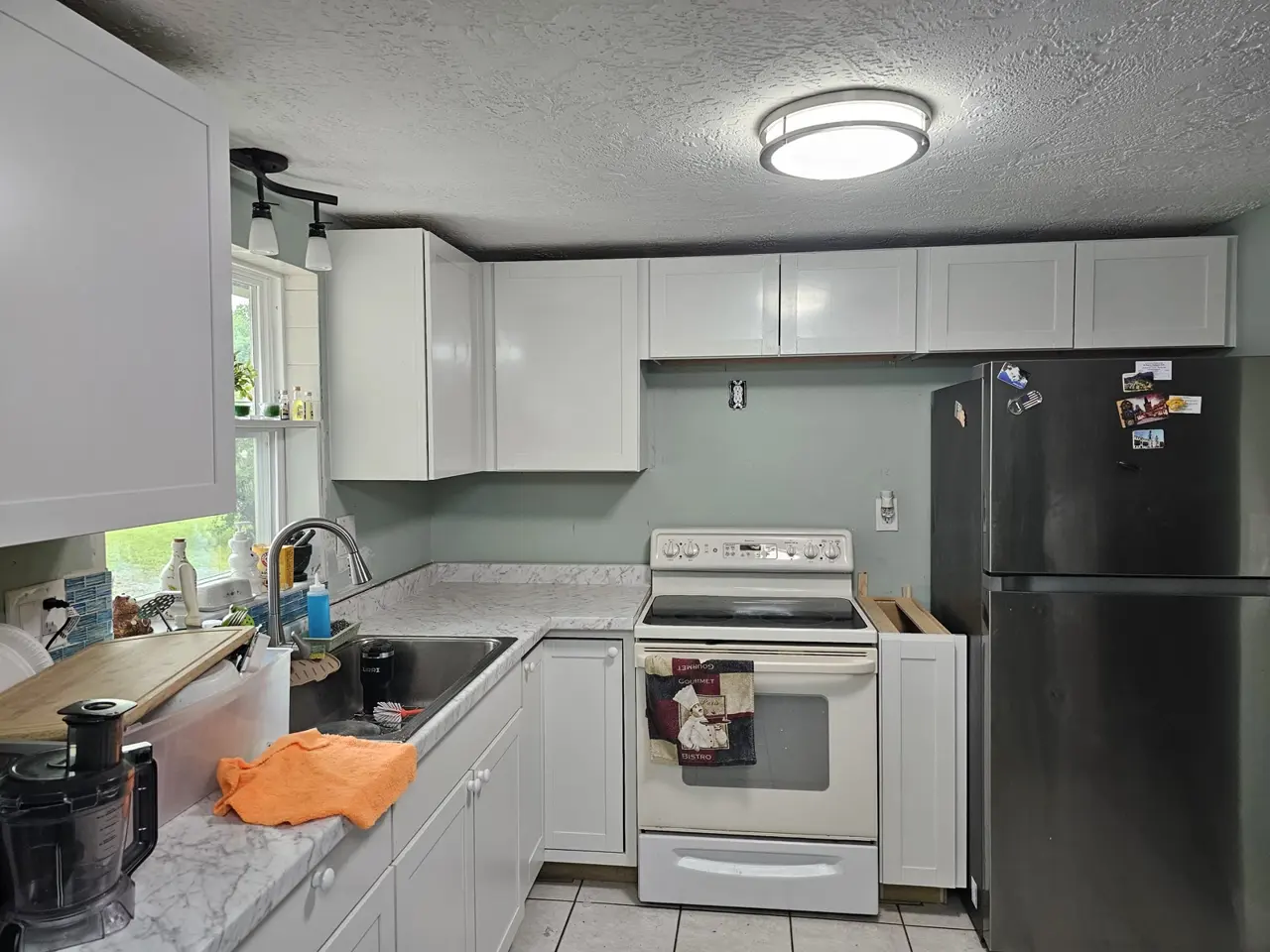
What a full home renovation includes
A whole-home scope is the finish trades, planned together. These are the pieces most Citrus County renovations are built from:
Why one scope beats room-by-room hiring
Every room meets another room at a doorway. Floor height, door clearance, trim profile, and paint color all meet there too. When one crew plans the whole house, those meeting points are decided once and line up. When each room is hired out separately, every doorway becomes a transition strip, a trimmed door, or a mismatched baseboard.
One scope also means one schedule. Trades follow each other in a set order instead of waiting on each other, and you have one person to ask when something changes.
Regulated work, such as electrical, plumbing, mechanical, or structural changes, needs the appropriate responsible contractor and its own permit and inspection. We identify those items up front so they are sequenced into the plan instead of discovered mid-project.
The order of work, and why it runs that way
A renovation goes faster and lasts longer when each finish goes in after the work that would damage it.
- Protect, then demolish. Rooms that stay in use are sealed off and floors along the work path are covered before anything comes out.
- Decision point. Once walls and floors are open, we photograph what is underneath, such as past leaks, soft subfloor, or damaged framing, and confirm the scope before closing anything up.
- Regulated work and inspections. Electrical, plumbing, and structural items happen while walls are open, so inspectors can see them.
- Drywall and texture. Walls close up and are finished before cabinets go in, so the cabinets are not exposed to sanding dust.
- Prime and paint. Walls and ceilings are painted before cabinets and new floors go in, so drips and ladder feet land on the old floor and there are no paint lines to cut around new boxes.
- Cabinets. Set level before flooring, because floating floors need room to move and should run up to the cabinets, not under them.
- Flooring. Laid room to room with planned transitions.
- Doors, trim, and baseboard. Installed last, after the floor, so baseboard sits on the finished surface and doors clear it.
- Touch-up and walkthrough. Nail holes, caulk lines, and scuffs are corrected, then we walk every room with you.
Living in the house while we work
Many of our renovation customers stay home during the project. We plan the phases so the kitchen and one bathroom stay usable as long as possible, keep a clear path for you and for materials, and close each phase with a walkthrough before moving on. If pets, a home office, or a caregiver schedule affects access, tell us at the start so it shapes the plan.
What drives the price of a renovation
We price renovations from a written scope, itemized by room and trade, so you can see where the money goes and what changes if you change your mind. The biggest drivers are:
Not every project needs a full scope. For a list of repairs and installs, our flat-rate handyman blocks are $395 for a half day (4 hours) or $695 for a full day (8 hours).
Local conditions
Renovating in Citrus County: rules that shape the scope
Half of the county's homes were built before 1990. The Census Bureau's 2020–2024 estimates put the median Citrus County home at 1990, and one in four at the 1980s alone. Original cabinets, hollow-core doors, builder trim, and slabs that have settled are normal starting points, and they are why a "new floors" project often becomes a whole-house refresh.
The $7,500 permit exemption. Since July 1, 2026, Florida Statute 553.79 lets owners of single-family homes skip a building permit for work valued under $7,500. It excludes electrical, plumbing, mechanical, gas, and structural work and anything in a flood hazard area, and the law does not allow splitting a project to stay under the limit. A full renovation will almost always be above it, so we plan the permit into the schedule.
The 50 percent rule in flood zones. If the home is in a FEMA flood hazard area and the improvement cost reaches half of the building's market value, land excluded, Citrus County's substantial improvement rule requires the whole building to meet current flood standards, which can mean elevating it. Homes built on or before August 14, 1984 are most exposed. Since 2025, Florida law has barred counties from adding up improvements over several years to reach that line, so it is judged project by project. We check the zone on the county's address lookup before scoping. On homes near the threshold, phasing or trimming the scope can be the difference between a renovation and an elevation project.
Notice of Commencement. Most improvements over $2,500 need a recorded Notice of Commencement before work begins. It protects you from paying twice if a supplier or sub goes unpaid. We walk you through it on every renovation that needs one.
Details above come from Florida Statutes, the Citrus County floodplain management pages, and U.S. Census ACS 5-year estimates. Requirements are set per parcel by the authority having jurisdiction, so confirm your address with them before relying on any of it.
Where we remodel
Citrus County is home territory; the Citrus County page covers local permitting and flood details. We also take renovations in nearby Marion, Sumter, and Hernando communities and through our staffed Tampa Bay team. Send the address to confirm.
What to send for a renovation estimate
- The property address, so we can confirm jurisdiction and flood zone.
- One wide photo of each wall in each room, plus close-ups of damage, stains, or transitions.
- Approximate room dimensions, or a floor plan if you have one.
- What stays, what goes, and any products you are already considering.
- Which rooms must stay usable, and any deadlines, such as guests, a sale, or a move-in date.
After the first conversation, you should know whether an on-site visit is needed, which permits apply, and what is still missing for a reliable estimate.
Full home renovations: common questions
Do you do full home renovations in Citrus County?
Yes. iFIXED plans and builds full home and multi-room renovations across Citrus County from our base in Citrus Springs, with work in nearby Marion, Sumter, Hernando, and Levy communities. Floors, walls, cabinets, doors, trim, kitchens, and bathrooms are scoped together as one itemized plan.
Can I live in the house during a renovation?
Usually, yes. We phase the work so the kitchen and at least one bathroom stay usable as long as possible, protect finished rooms before work moves past them, and plan dust control and material routes around the rooms you are using.
In what order is a whole-home renovation done?
Demolition and protection first, then a decision point once walls and floors are open, then regulated work and inspections, drywall, cabinets, paint, flooring, doors and trim, and a final touch-up and walkthrough. The order matters because each finish protects or depends on the one before it.
How long does a full home renovation take?
Usually several weeks to a few months, depending on the number of rooms, what is found once walls and floors are open, permit and inspection timing, and lead times on selections such as cabinets. We give you a phase-by-phase sequence after seeing the property rather than a single number.
How much does a home renovation cost?
It is priced from a written, itemized scope by room and trade. The biggest cost drivers are the area involved, the condition of the subfloor, slab, and walls, how much is kept, your selections, and whether permits or flood-zone rules apply. Small repair lists can go through our flat-rate handyman blocks: $395 for a half day or $695 for a full day.
Does a renovation need a permit in Citrus County?
Most full renovations do. Since July 1, 2026, owners of single-family homes can skip a permit for work under $7,500, but not for electrical, plumbing, mechanical, gas, or structural work, and not in a flood hazard area. A project cannot be split to stay under the limit. We tell you which permits apply before pricing.
What is the 50 percent rule?
In a FEMA flood hazard area, if the cost of an improvement reaches half of the building's market value (land excluded), Citrus County requires the whole building to meet current flood standards. We check the flood zone before writing the scope so a renovation is planned with that line in mind.
Do you remodel kitchens and bathrooms as part of a renovation?
Yes. Kitchens and baths are usually the anchor of a whole-home scope. See kitchen remodeling and bathroom remodeling for what each covers.
What don't you take?
Plumbing-only jobs, ceiling fan installs, and furniture assembly. Regulated electrical, plumbing, mechanical, or structural items need the appropriate responsible contractor, and we identify them before pricing.